Automatic Edge Banding Machines

HUAHUA

Automatic Edge Banding Machines

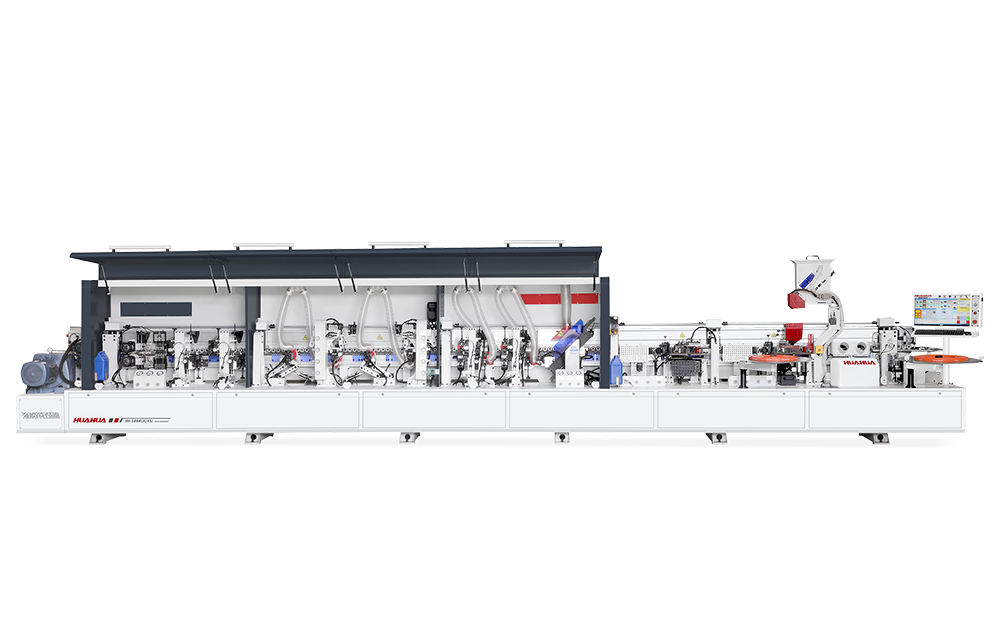
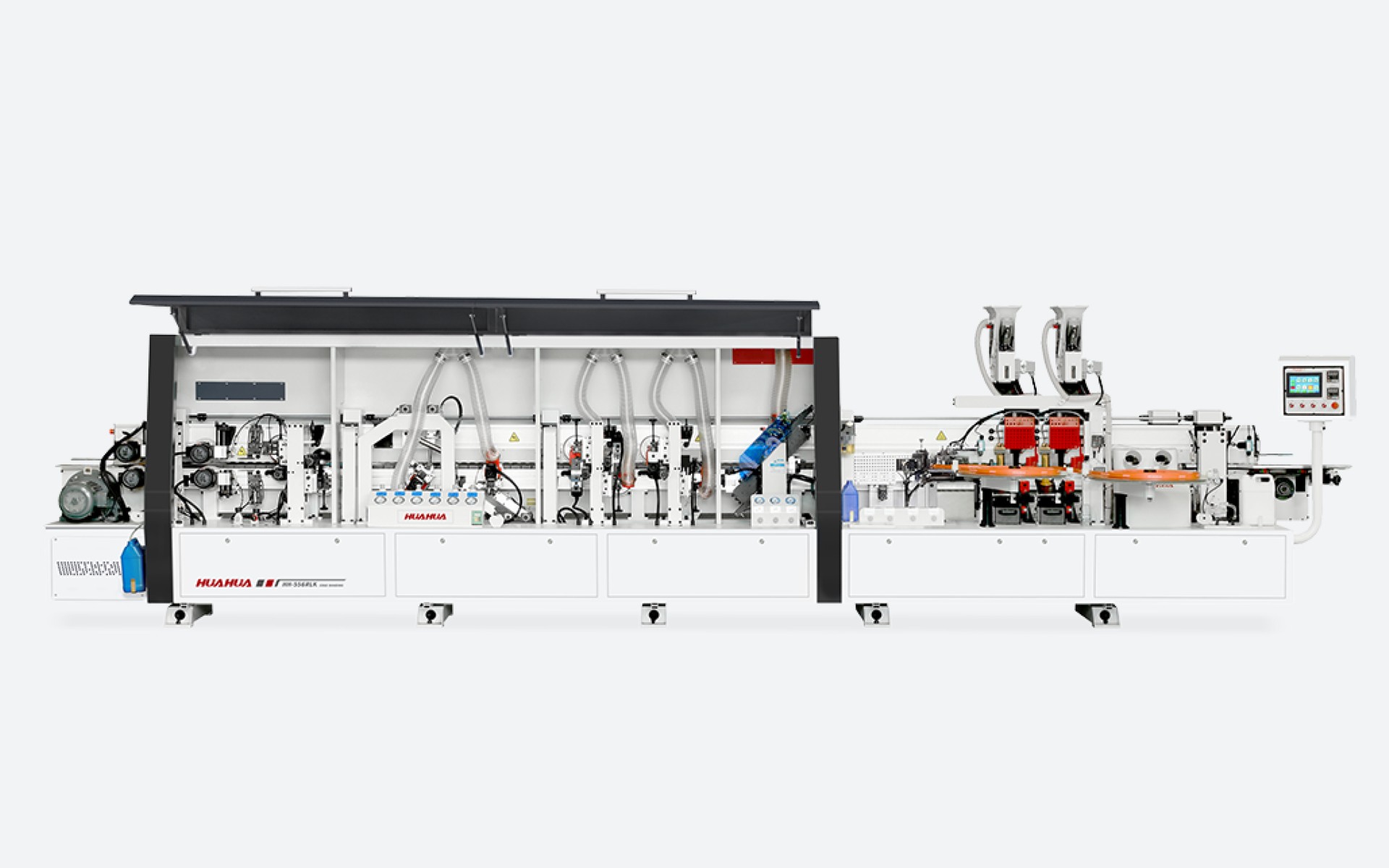
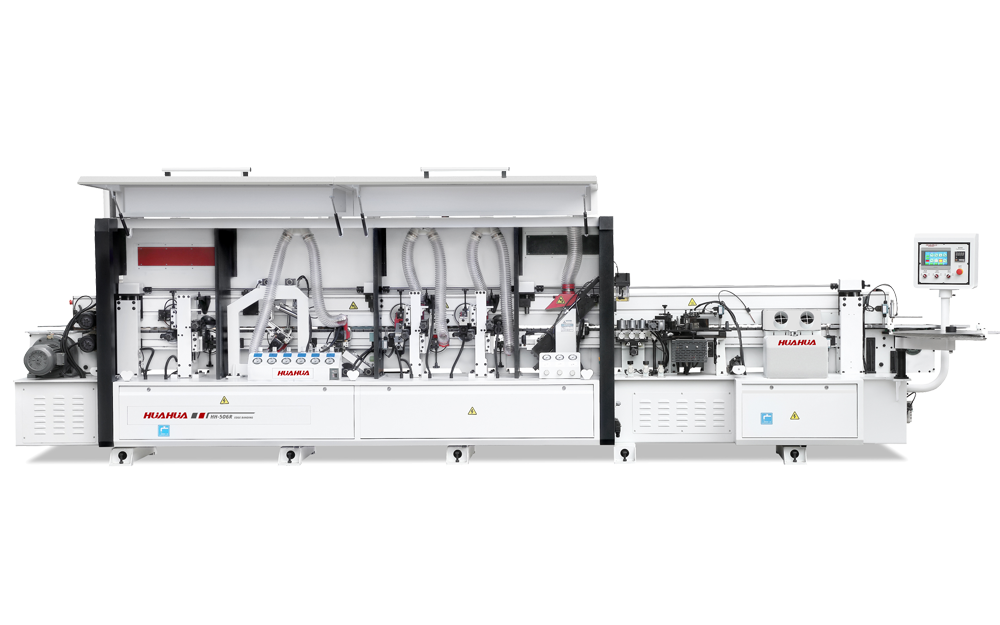
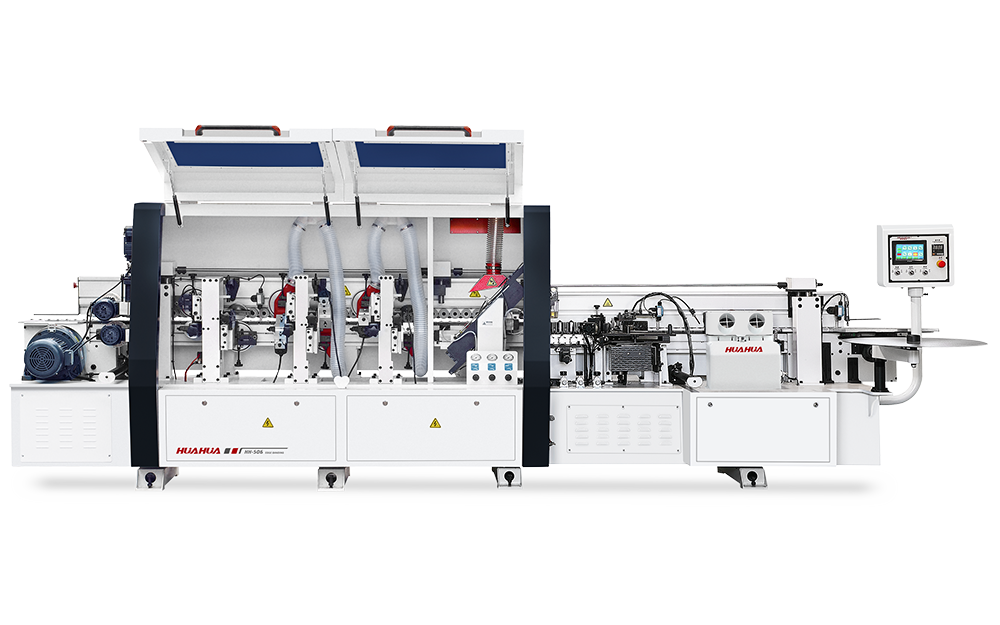
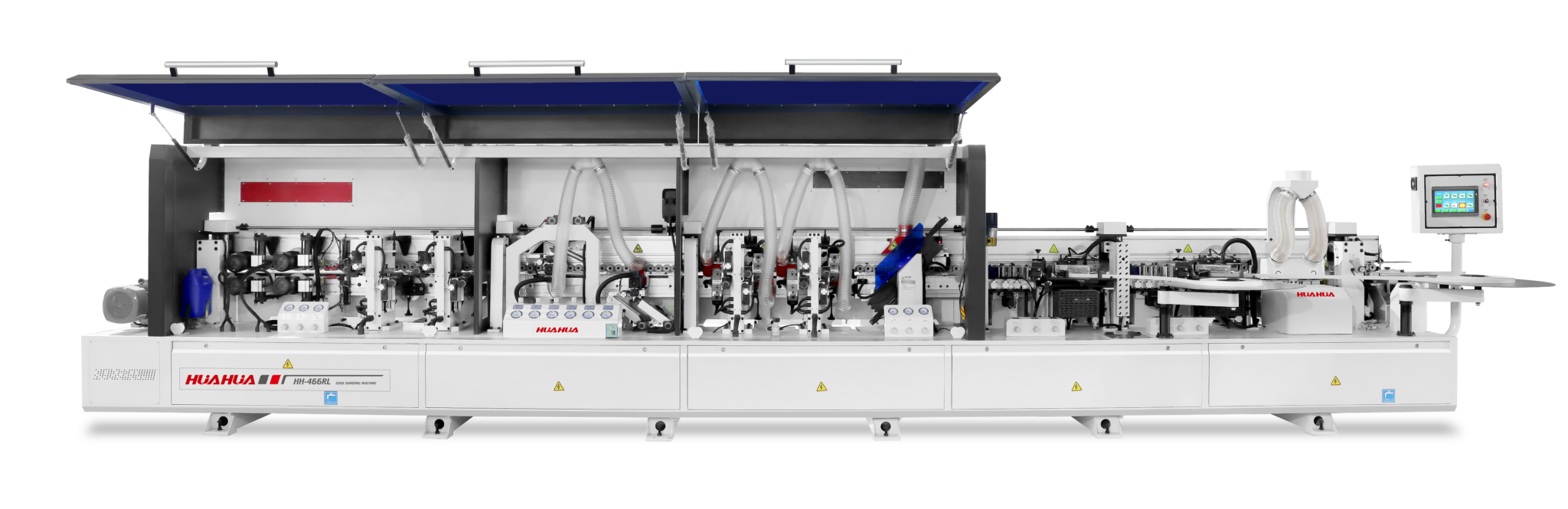
We are constantly optimizing our automatic edge banding machines to provide exquisite edgebanding for your panel furniture manufacturing.

Well Pre-mill, Half Done

The pre-milling unit grinds edges of panels at the beginning, which helps to firmly stick the banding tape to the panel in the later process.

Water-Proof PUR Glue

The PUR(poly urethane resin) glue used in the gluing device features water-proof and damp-proof. This better prevents wood panels from potential damage.

Auto-track Trimming

Double trimming discs automatically track panels to remove the excessive glue and tape, achieving more soomth appearance of panels, which certainly pleases the end-market.

Corner Rounding & Polishing

In order to help you produce perfect panel furnitures, HUAHUA persues flawless edge banding procedures. The corner rounding device and cloth polishing wheels perfect your panel processing line.

What is edge banding?

Edge banding is a finishing process used to cover the raw, exposed edges of manufactured wood panels like plywood, particleboard, and MDF. While these core materials are highly durable for furniture and cabinetry, their cut edges are naturally rough, porous, and unsightly. To fix this, narrow strips of matching material—ranging in thickness from 0.018″ to 5mm and typically supplied in 250-foot reels—are bonded to the perimeter to match the surface face and protect the core from moisture and wear. Thinner banding is standard for residential pieces, while thicker edge bands are used in commercial or high-traffic environments to provide greater impact resistance. For extreme durability, heavy-duty applications like military specifications even require robust 3/8-inch solid wood edge bands. To apply these materials seamlessly at scale, industrial machines called edgebanders use hot-melt adhesives to permanently glue and trim the strips, resulting in a clean, professional finish that is best understood by seeing the process in action in our overview video.

What’s the purpose of edge banding?

Edge banding serves a critical dual purpose by providing both structural protection and visual refinement to manufactured wood furniture. Functionally, it acts as a protective barrier that seals the porous core material, effectively keeping out moisture and preventing warping over time. It also significantly enhances the durability and resilience of the piece, shielding vulnerable edges from everyday impacts and heavy wear. When solid wood edging is utilized, it can even reinforce the overall structural strength of the furniture. Aesthetically, edge banding transforms raw, unsightly cut edges into a clean, seamless finish that perfectly matches the top and side faces. Furthermore, it allows for the creation of radial edges, which effectively softens sharp angles for a more sophisticated and ergonomic design.

Where do we apply edge banding?

Edge banding is applied exclusively to furniture constructed from engineered wood products rather than solid timber. While a completely solid wood product requires no edge banding, many high-end pieces utilize a combination of materials; for instance, wardrobe doors are frequently made from veneer-core plywood or MDF to prevent warping, and these components require edge treatment. Similarly, even if a piece features solid wood case sides or drawer fronts, it will often be paired with a high-pressure laminate top, which relies on edge banding to seal and finish the perimeter. Ultimately, any furniture specification that incorporates plywood, particleboard, MDF, or laminate surfaces will require edge banding on all exposed, raw cut edges to achieve a uniform and durable finish.

Where won’t you find edge banding?

Conversely, edge banding is unnecessary on cabinet backs or drawer bottoms, as these panels are already fully captured and sealed within dado grooves. Similarly, treating the internal parts of plywood drawers is generally avoided, as it adds production costs without providing any additional functional or aesthetic value. However, a common issue in the industry is when manufacturers omit edge banding where it is critically needed, such as on the bottom and rear edges of plywood cabinets. Skipping these hidden areas leaves the porous core vulnerable to moisture, and even minor exposure can cause the material to swell and permanently destroy the furniture.